Showing posts with label Whole Foods Plant Based. Show all posts

Tuesday, September 2, 2025

5 Daily Longevity Habits From Quintuple Board-Certified Physician Dr. Monisha Bhanote


Dr. Bhanote, the visionary founder of WELLKULĂ…, is a quintuple board-certified physician and best-selling author, widely recognized for her expertise in Integrative Lifestyle Medicine, Functional Culinary Medicine, and Cytopathology. Her work, deeply rooted in health and wellness, has made her a sought-after expert, enriching lives through her speaking engagements and insightful written contributions.

In her dedicated pursuit of wellbeing, Dr. Bhanote harmoniously integrates ancient wisdom with modern mind-body science. Her dedication to plant-powered nutrition is central to her groundbreaking research on gut, brain, and cellular health, underscoring the critical roles of the microbiome and inflammation management in the journey towards longevity. Combining mindful practices with scientific precision, Dr. Bhanote's approach paves the way for sustained health and mental clarity, advocating a lifestyle that enriches both body and mind, leading to comprehensive cellular wellbeing.

Order her book here.


The 5 daily habits of a longevity doctor

To sum up Bhanote's behaviors for longevity, here's what she does daily for her overall health and wellness:

  • For her body: Healthy eating, mindful movement, brain-healthy activities, optimal sleep and social connections
  • For brain health: No ultra-processed foods, eating mainly home-grown fruits and vegetables, meditating and walking four or five miles a day
  • For social fitness: Connecting with people virtually multiple times a day, networking at speaking engagements
  • For her daily diet: Plant-based, gluten-free foods that are the different colors of the rainbow. 10 different kinds of fruits and veggies in each meal
  • For her media diet: Podcasts and audiobooks


COPYRIGHT 2007-2025 Patti Friday b.1959.

Wednesday, August 13, 2025

Plants & Herbs I’m Loving Right Now Thanks to Herbalist Simon Mills and DOAC


I’ve always believed that plants aren’t just for looking pretty in a vase or brightening up a windowsill. They’ve been looking after us for thousands of years—helping us heal, feel better, and even think more clearly. Lately, I’ve been reading and listening to herbalist Simon Mills (a walking encyclopedia of plant wisdom!) and I just had to share some of the herbs and spices he recommends.

Here’s the lovely thing: you don’t need a rare jungle root or an expensive tincture to start. Many of these are right in your spice rack or growing in your garden.


Spices: Your Everyday Kitchen Medicine

Every time you sprinkle cinnamon on your oatmeal or stir turmeric into soup, you’re doing more than making food taste delicious—you’re adding little plant powerhouses into your day. These “phytonutrients” (fancy word for the good stuff in plants) help calm inflammation, keep your gut happy, and even give your brain a boost.


Some favourites:

  • Ginger & Cinnamon – Warm, cozy, and so good for digestion. Ginger has a zing that wakes you up, while cinnamon feels like a hug from the inside.

  • Rosemary (and Sage) – Just sniffing fresh rosemary can wake up your mind. It’s amazing for memory and focus. I sometimes add a sprig to hot water for a gentle tea—or even just inhale the steam.


I order my pure rosemary essential oil from here. I do breathwork inhaling it a few times just by opening up the cap! 

I diffuse a POWERHOUSE pure essential oil blend called ARMOR. I get it here.

Armor up against whatever’s going around with this protective blend! It’s always there for us during cold weather with its warm, spicy, and camphor-like aroma. Armor contains a powerful blend of cinnamon, clove, eucalyptus, lemon, and rosemary. Try diffusing it to help freshen your environment or simply rub it into your palms and take a few deep breaths.


Yes, Chocolate Counts 

You’ll be happy to know that Simon Mills gives a thumbs-up to dark chocolate—but not just any bar from the candy aisle. We’re talking at least 75% cocoa. The higher cocoa content means more flavonoids, those wonderful plant compounds that help your heart, circulation, and even mood. A small square or two after dinner can be both a treat and a little dose of plant medicine. It’s rich, it’s indulgent, and it’s doing more good than guilt—if you keep it in moderation.


The Calm Energy of Green Tea

I’ve always loved the gentle lift from a cup of green tea. Unlike coffee, its caffeine is paired with L-theanine, an amino acid that smooths out the jitters and helps you focus. Simon points out that it’s also brimming with antioxidants that support brain and heart health. Whether you like it hot, iced, or whisked up into a frothy matcha latte, green tea feels like an easy daily habit that your body will thank you for.


Coffee, Done Right (I order mine from The Wellness Club)

Good news for my fellow coffee lovers—coffee can be a health ally, too. Simon says it’s not just about the caffeine kick; it’s packed with polyphenols that can protect your cells from damage. The trick is to keep it real—skip the sugary syrups and heavy cream, and aim for a clean, quality brew. Two cups a day is a sweet spot for many people. For me, that first morning cup is less about the caffeine and more about the comforting ritual—the aroma, the warmth, and the slow start to the day.


Happy Gut, Happy You

Your gut is more than a food tube—it’s home to your immune system, mood support, and overall health. When you feed it well, everything else benefits.

  • Meadowsweet – A gentle, stomach-soothing herb that’s much kinder than aspirin. Perfect after a big or rich meal.

  • Eat the Rainbow – No, not candy. I mean colourful fruits and veggies—deep greens, reds, purples, oranges. Each colour brings a different kind of healing magic.


Herbs for Warming & Comfort

Feeling a bit under the weather or chilled to the bone? Herbs can help you warm up and get your immune system moving.

  • A simple ginger and cinnamon tea is a go-to for me when I feel a sniffle coming on. It warms you from head to toe and just makes you feel cared for.

Helping the Heart & Mind

Some herbs work quietly in the background, keeping your circulation, heart, and brain healthy.

  • Ginkgo – Known for helping blood flow to the brain, which can keep your mind sharper.

  • Hawthorn – A gentle, heart-supporting herb that also helps with blood vessels. It’s like a quiet guardian for your cardiovascular system.

Try This Week

  1. Make a “Spice Mix” – Turmeric, ginger, cinnamon, maybe cardamom or fennel. Stir into soups, curries, or even smoothies.

  2. Rosemary Tea or Steam – Steep a sprig, sip slowly, or inhale the scent—it’s uplifting.

  3. Meadowsweet Tea – Gentle and soothing for digestion.

  4. Cardamom in Coffee or Tea – Subtle and comforting.

  5. Ginkgo or Hawthorn – If you’re curious about heart or brain support, chat with a qualified herbalist and give them a try.

Plants are everyday magic. They don’t shout about what they can do—they just quietly show up for us. Maybe this week, try adding one of these herbs or spices to your routine and see how you feel.

And if you have a favourite plant or spice you swear by, tell me. You know I’ll want to try it too.


View The Wellness Store Info


Thursday, August 7, 2025

Can Plants Help My Heart? Let’s Talk Cholesterol + the Whole Food Plant-Based Life


You know when you hear something over and over again—like a whisper from the universe that turns into a full-blown shout? That’s what happened to me with cholesterol. It kept popping up in conversations, on lab reports, in quiet worried thoughts at 3 a.m. I tried 2 different statins and the side effects had me suffering with whole body aches that became unbearable.  I called my Doctor and told him 'NO statins' for me! Hey Cholesterol!  One day I decided to stop brushing it off like a dropped pea under the kitchen table and actually do something about it.

Enter: the Whole Food Plant-Based (WFPB) lifestyle. Not a diet. Not a trend. Just a more intentional, colorful, life-giving way to eat.


So, What is Whole Food Plant-Based Eating?

In the simplest terms:
Whole = as close to nature as possible (unprocessed or minimally processed).
Food = real food, not food-like substances.
Plant-Based = vegetables, fruits, legumes, grains, nuts, and seeds galore.

No animal products. No dairy. No oils (if you’re going all-in). Definitely no “cheeze-powder-dusted-fake-meat-crunchy-things” from the middle aisle of the grocery store.

It’s food your great-grandparents would recognize. You know… before everything came shrink-wrapped or pre-seasoned with words you can’t pronounce.


The Big Cholesterol Question

Can this lifestyle really lower cholesterol?

Yes. Yes. YES. (And I say this both personally and passionately.)


Here's why:

Animal products and processed foods are the main culprits in raising LDL cholesterol—aka the "lousy" kind. Plants don’t contain dietary cholesterol at all. And when you fill your plate with fiber-rich, antioxidant-packed foods, your body starts cleaning house. Arteries cheer. Heartbeats dance.

Some plant foods even act like little brooms, sweeping cholesterol out of your bloodstream. Hello, oats, beans, and flaxseeds—I see you working your magic.


THE JACKPOT:

When you cut out meat and dairy from your diet, you’re essentially giving your body a cholesterol vacation—in the best possible way. That’s because animal products are the only source of dietary cholesterol. Plants? They don’t come with any. None. Zilch. So by embracing a whole food plant-based lifestyle, you’re naturally eliminating cholesterol from your plate without counting a single gram or reading confusing labels. It’s like quietly removing the troublemakers from the party and suddenly the whole room feels lighter, calmer, healthier.


Real Talk: My Experience

Let me be clear. This wasn’t about perfection. I didn’t suddenly become a quinoa guru overnight. I stumbled. I craved cheese (don’t we all?). I googled “does butter count as a plant?” more than once.

But over time, something shifted. I started to crave how good I felt—lighter, clearer, more energized. And when I saw the numbers move in the right direction? That was the cherry on top (an actual cherry, not the maraschino kind swimming in syrup).

I became my own experiment—and my cholesterol levels thanked me.

What I Learned Along the Way

  1. Fiber is your friend. It binds to cholesterol and helps usher it out of your system like a bouncer at a sketchy nightclub.

  2. Nuts and seeds aren't the enemy. In moderation, they support heart health. Think: a sprinkle of walnuts, not a jar of almond butter with a spoon.

  3. Reading labels is a full-time job. But it gets easier, promise.

  4. Cooking at home is empowering. I never thought I'd get this excited about lentils.

  5. Your taste buds change. What once tasted “too healthy” becomes deliciously satisfying.


Final Thoughts (With Love + Broccoli)

This isn’t about restriction. It’s about abundance. There’s so much beauty (and flavor!) in plants. A WFPB lifestyle isn’t just good for your cholesterol—it’s good for your mood, your sleep, your skin, your whole self.

And if you’re plant-curious, heart-concerned, or just tired of feeling blah—consider this your nudge.

You don’t have to go all in tomorrow. But maybe try a Meatless Monday. Or swap cream for oat milk. Or eat a rainbow that didn’t come from a candy wrapper.

Your heart (and future self) will thank you.

With leafy green love,
Patti

NOTE:  This is my personal wellness experience and not intended as medical advice.


COPYRIGHT 2007-2025 Patti Friday b.1959.

Tuesday, April 8, 2025

Low-Tox Naturalist Living


Low-tox naturalist living is a lifestyle approach that emphasizes reducing exposure to harmful chemicals (low-tox) while embracing a deep connection with nature and natural rhythms (naturalist). It blends mindful choices with simplicity and sustainability.

Here’s a breakdown of what it typically includes:

Low-Tox Living

This part is all about minimizing toxic exposure from everyday products and environments:

  • Home & Cleaning: Using vinegar, baking soda, essential oils, and natural brands instead of harsh chemical cleaners. (Our family choice here.)

  • Personal Care: Choosing natural skincare, haircare, and cosmetics free from parabens, sulfates, synthetic fragrances, etc. (Our family choice here.)

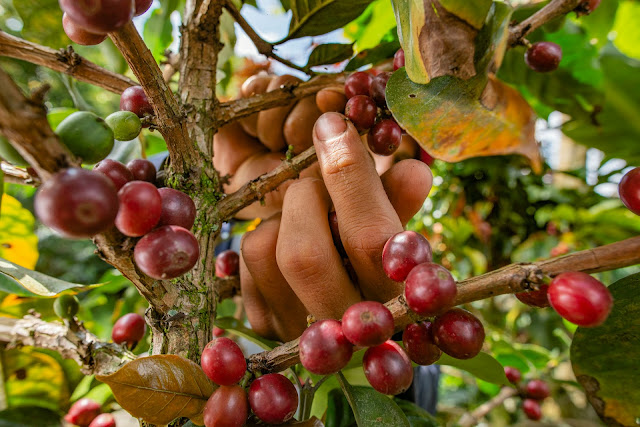
  • Food Choices: Eating organic or minimally processed foods to avoid pesticides, additives, and preservatives. (YAY! For this coffee!)

  • Materials: Favoring non-toxic materials in furniture, bedding, and cookware (e.g., avoiding Teflon, flame retardants).

Naturalist Living

This aspect leans into a nature-connected, holistic way of life:

  • Seasonal Living: Eating seasonally, adjusting routines based on the rhythms of nature.

  • Slow Living: Prioritizing presence, simplicity, and intentional choices.

  • Nature Integration: Spending time outdoors, foraging, gardening, walking barefoot, or bringing natural elements into your home.

  • Natural Remedies: Using herbal medicine, homeopathy, or traditional wellness practices where appropriate.


Together, it’s about:

  • Living with fewer synthetic toxins

  • Choosing natural over artificial

  • Reconnecting with Earth and self

  • Cultivating wellness through simplicity


COPYRIGHT 2007-2025 Patti Friday b.1959.

Sunday, January 19, 2025

Best Coffee for Intermittent Fasting


There are many types of coffee, so it’s helpful to understand which ones are best suited for intermittent fasting. It’s equally important to recognize which types could interfere with a fast.

Choosing clean, organic coffee that is mold-free is ideal. Some coffee may contain mold that produces harmful mycotoxins, which can negatively impact health.

(I happily use Mountain Cabin organic, mold-free*, pesticide-free coffee. I order it online from The Wellness Store.)


Organic coffee tends to be healthier than conventional options because it involves less exposure to chemicals. While pesticide residues can be found in coffee beans, the risk is generally lower compared to many other foods, even if organic options are beyond your budget.


Research shows that organic farming methods can enhance antioxidant levels in crops like coffee. Since coffee is naturally rich in antioxidants, organic varieties, with their higher polyphenol content, can offer additional benefits.

Additionally, organic coffee is often sourced from higher-quality farms with superior drying and processing techniques. These practices help reduce the likelihood of mold* and mycotoxin* contamination. Even if organic isn’t an option, focusing on high-quality, well-sourced coffee is essential.

Caffeinated coffee is typically more beneficial than decaf for those fasting, as caffeine can boost metabolism, increase energy, and suppress appetite. However, if you prefer decaf, it can still provide some advantages during fasting.


*Mold in coffee, or more specifically, mold contamination in coffee beans, can potentially pose certain health risks if present in significant amounts. Mold spores thrive in damp environments, and coffee beans can become susceptible during harvesting, storage, or transport. The primary concern with mold in coffee is the production of toxins.


Learn how to get a wellness box for your family here.


Fast Like A Girl Book here


COPYRIGHT 2007-2025 Patti Friday b.1959.

Wednesday, September 18, 2024

Organic Mold-Free Coffee


Drinking organic coffee offers several advantages, both for your health and the environment. Here are some compelling reasons to choose organic coffee:

No Harmful Chemicals
Organic coffee is grown without synthetic pesticides, herbicides, or chemical fertilizers. Conventional coffee is one of the most chemically treated crops in the world. By choosing organic, you avoid consuming trace amounts of these harmful substances in your daily cup.


Higher Nutrient Content
Organic farming practices prioritize the health of the soil, which can lead to more nutrient-dense coffee beans. Healthy soil contributes to better plant growth and, in turn, higher levels of essential nutrients and antioxidants in the coffee itself. Organic coffee often contains higher concentrations of beneficial compounds like antioxidants.

No GMO Ingredients
Organic coffee is non-GMO (genetically modified organism). This ensures that the beans are not genetically engineered or altered, which aligns with a growing preference for natural, unmodified foods.

Better for the Environment
Organic coffee farming has a lower environmental impact compared to conventional methods:
   - Soil Health: Organic farming practices improve soil fertility and prevent soil erosion.
   - Water Conservation: Organic farms typically use less water and avoid contaminating local water sources with chemical runoff.
   - Biodiversity: Organic farms encourage biodiversity, protecting local ecosystems and wildlife habitats. Shade-grown organic coffee farms often support more bird species, insects, and other wildlife.


Fewer Toxins and Mold (learn more below!)
Organic coffee is less likely to contain harmful toxins produced by mold. Organic standards often require better storage and processing methods, reducing the chances of mold growth and contamination. This is particularly important for those concerned about the potential dangers of mold in coffee.

Supports Ethical and Sustainable Farming
Organic coffee farming often aligns with fair trade and sustainable practices. Many organic coffee farms prioritize fair wages, safe working conditions, and ethical treatment of workers, contributing to a more equitable coffee industry. Additionally, organic certification often requires sustainable farming practices, such as crop rotation and reduced deforestation, which help preserve ecosystems and mitigate climate change.


Better Flavor
Many people find that organic coffee has a richer, more complex flavor profile. This can be due to the high-quality growing conditions and the fact that organic coffee is often produced on smaller farms with more careful attention to each step of the process. Without the interference of synthetic chemicals, the natural flavors of the coffee beans can shine through.

A Healthier Choice
By drinking organic coffee, you're avoiding exposure to potential harmful residues from synthetic chemicals used in conventional coffee farming. 

In summary, organic coffee offers a cleaner, more natural choice with benefits for your health, the environment, and the farmers who produce it. It provides peace of mind knowing you're consuming a product grown responsibly and sustainably.


Mold in coffee, or more specifically, mold contamination in coffee beans, can potentially pose certain health risks if present in significant amounts. Mold spores thrive in damp environments, and coffee beans can become susceptible during harvesting, storage, or transport. The primary concern with mold in coffee is the production of toxins.

Reducing Potential Risk:

1. High-Quality Coffee Sources: Choose coffee from reputable sources that prioritize quality control, proper storage, and have mold testing protocols in place.
   
2. Organic and Single-Origin Coffee: Organic and single-origin coffee beans tend to have stricter regulations and are often harvested and stored in better conditions, reducing the risk of mold contamination.

3. Proper Storage: Storing coffee in a cool, dry place can help prevent mold growth. Coffee should be kept away from moisture to maintain its freshness and safety.

While the risk of consuming moldy coffee is relatively low due to commercial testing and quality control measures, it’s still important to be mindful of your coffee’s source and storage practices to minimize any potential exposure to harmful mold toxins.

COPYRIGHT 2007-2024 Patti Friday b.1959.

Thursday, May 25, 2023

Holistic Wellness Business


Holistic wellness is a concept that encompasses different aspects of human health and well-being. It is based on the idea that each person is a whole being, not just a collection of symptoms or problems. Holistic wellness aims to achieve balance and harmony in the physical, mental, emotional, spiritual, social, occupational, and financial domains of life. Some of the benefits of holistic wellness are:

- It promotes self-awareness and self-care, which can help prevent and manage stress, anxiety, depression, and other mental health issues.

- It encourages healthy lifestyle choices, such as eating well, exercising regularly, getting enough sleep, and avoiding substance abuse.

- It supports natural healing processes, by using complementary and alternative therapies that work with the body's innate wisdom and energy.

- It respects individual differences and preferences, by offering a variety of options and approaches that suit each person's needs and goals.

- It fosters a sense of purpose and meaning, by connecting with one's values, beliefs, passions, and spirituality.

Holistic wellness may be achieved by working with a holistic business mentor who can offer guidance and support in different areas of life. Health. Wealth. Community.

You may be curious about starting a holistic wellness business!
Learn more here.

Holistic wellness is not a one-time event, but a lifelong journey.

COPYRIGHT 2007-2023 Patti Friday b.1959.

Monday, August 29, 2022

Mental Wellness Toolkit


Check out the Amare Mental Wellness Toolkit here for even more resources on mental wellness.

____________________

Amare, The Mental Wellness Company, 

is on a mission to create a holistic mental wellness platform 

of products, programs, and people.

Our vision is to lead the mental wellness revolution.

Everyone’s road to a healthy lifestyle is unique and personal to them, 
but it all starts with a good foundation. 

All-natural, daily supplements can help & support improvement in 
your mental and physical health. 
Click here to find the ones that work best for you.

Patti Friday Kennedy

Disclaimer:
These statements have not been evaluated by the Food and Drug Administration. 
This product is not intended to diagnose, treat, cure, or prevent any disease.

COPYRIGHT 2007-2022 Patti Friday b.1959.

Friday, July 9, 2021

The Best Low Calorie Vegan Kosher Low Sodium Pina Colada Drink Mix and Recipe


This might be the most delicious 
A tropical creation!
So simple!


Feeling hot hot hot this Summer? Start your summer vacation with a sweet and tropical Piña Colada!

  • Made with all-natural ingredients including organic coconut cream, pineapple, and a hint of lime. This blend is low-sodium, vegan, and kosher.
  • All you need is a blender, a can of crushed pineapples, and omit the rum for a fun mocktail!
  • Easy on calories too—only 70 calories per serving!

Whether you’re by the pool, on the deck, or chilling at the beach, nothing says summer vacation quite like a Piña Colada!

ORDER Here

For each one sold, a meal will be donated to a family in need. Food Banks Canada or Feeding America. 


I am an Artist who carries a paintbrush, camera and notebook. Instagram: @pattifriday