Showing posts with label Interior Design. Show all posts

Sunday, December 7, 2025

'Folkstead': Clean Country Comfort -15 Ways to Achieve the Trending Comeback of Much-loved 1980s Country Decorating Style

Image

I've been thinking a lot about what I'm seeing in magazines, on home networks and online. Everyone seems to be leaning in to what I'm calling,  

Folkstead: Clean Country Comfort

...and I'm excited!

Image

What is Folkstead?

In a world where interior-design trends loop back every few decades, Folkstead emerges as a fresh but deeply familiar aesthetic: a modern, clean, and enduring revival of the 1980s country decorating style. The name merges “folk” — evoking handmade charm, warmth, and tradition — with “stead,” a nod to homesteads, steadiness, and rooted comfort. But instead of the heavy frills, clutter, and pastel overload of the 1980s, Folkstead is pared down: calm, curated, and quietly timeless. It’s country comfort reimagined for today — simultaneously nostalgic and refined.

Folkstead isn’t a reaction against minimalism. Instead, it’s a bridge between cozy heritage and contemporary restraint: handcrafted details, natural materials, and sentimental motifs — but used sparingly, thoughtfully, and with purpose.

Why Now? The Return of Country & 1980s Influences

  • Design observers are noting a resurgence in 1980s-inspired colors like warm terracotta, soft rose tones, and deep forest greens — but re-imagined in modern, sophisticated palettes. (Homes and Gardens)

  • Similarly, what once was considered “over-the-top country” is being re-evaluated under the lens of cozy authenticity. The rise of “vintage farmhouse revival” and “eco-friendly elegance” show that many homeowners crave comfort, craftsmanship, and a slower pace — but with modern materials and updated styling. 

  • As a reaction to overly minimal or cold contemporary interiors, Folkstead offers warmth, personality, and a sense of rootedness — but without nostalgia’s risks of clutter or kitsch.

In short: it’s been roughly 40 years since the 1980s country craze. Enough time has passed for those once-beloved motifs to feel vintage rather than dated — and for a new generation to reinterpret them with fresh eyes.


The Folkstead Style

Folkstead = Clean Lines + Handmade Warmth + Heritage Character.

Key principles:

  • Intentional simplicity: fewer objects, but ones with meaning — a handmade ceramic pitcher, a woven basket, a framed family textile, a well-worn wooden table.

  • Natural materials: wood (whitewashed or warmed), linen, cotton, matte pottery, woven textiles, soft-worn metals.

  • Muted, warm palette: no loud brights. Instead, soft neutrals, earthy tones, and gentle nods to 1980s country colors.

  • Graphic restraint: patterns and motifs from traditional folk or country design — but scaled back, used as accents or in abstracted, modernized forms.

  • Functional heritage: furniture and objects that feel lived-in and lasting — heirloom-ready, not disposable.

  • Light + air + texture over clutter: airy rooms, natural light, tactile layering instead of heavy ornamentation.

Folkstead Colour Palette

Here’s a curated palette — combining classic country warmth, muted 1980s nostalgia, and contemporary sensibility.


Folkstead Colour Palette (Featuring Pantone 2026: Cloud Dancer)

Pantone Color of the Year 2026 — PANTONE 11-4201 Cloud Dancer
A soft, clean, elegant white with a gentle warmth. Perfect for Folkstead’s “clean comfort” aesthetic. Use it generously on walls, trim, cabinetry, and textiles to achieve the breezy, contemporary clarity of this style.


Swatch / Name Approx. HEX Use
Cloud Dancer (Pantone 11-4201) #F0EFEA (approx.) The ultimate Folkstead base color — walls, trim, ceilings, cabinetry, slipcovers. Soft, clean, warm.
Soft Cream #F9F6F2 A warmer companion white — use for contrast trim, accessories, or layered whites.
Warmed Linen #E8E3DA Upholstery, curtains, bedding, cushions — adds depth to a Cloud Dancer room.
Muted Sage #A9B8AA Accent walls, painted furniture, throws — soft greenery without overpowering.
Dusty Rose #D8C5C3 Small accents: pillows, candles, pottery — a gentle nod to 1980s country pastels.
Terracotta Clay #C77E58 Pottery, vases, rustic lamp bases — adds grounded warmth.
Forest Fern #4B5A50 A deeper anchoring green for cabinetry, statement furniture, or rugs.
Weathered Pine #B8A58C The wood tone of Folkstead — natural, sun-softened, not orange or yellow.

How Cloud Dancer Elevates Folkstead

  • Creates a clean, bright canvas that still feels warm and livable.

  • Works with the revived 1980s country palette without feeling retro.

  • Enhances natural materials like pine, oak, rattan, linen, and matte pottery.

  • Allows muted colors and folk motifs to stand out without loud contrast.

Cloud Dancer becomes the light and air of Folkstead — the modern ingredient that makes the revival feel current rather than nostalgic.


Patterns, Motifs & Textiles

Folkstead avoids maximalism. Here are favored motifs and when to use them:

  • Scaled-down gingham / miniature check: in table linens, napkins, or a single cushion — for a subtle country echo.

  • Abstracted folk florals or stylized wildflowers: not busy floral prints, but simplified silhouettes on pillows or curtains.

  • Muted plaid or patchwork: re-imagined in neutral tones for quilts, throw blankets, or rugs.

  • Natural stripe: linen or cotton stripe fabrics — simple and timeless.

  • Hand-drawn folk art symbols (hearts, simplistic geese or animal silhouettes, wheat sheaves, primitive stars): used sparingly — maybe one framed graphic print, or a motif on a ceramic jug.

  • Textured weaves: linen, hemp, homespun cotton, hand-loomed rugs — texture replaces flashy patterns.

Avoid: large busy florals, dense wallpapers, neon colors, overly glossy or synthetic prints. The aim is calm, not clutter.

Furniture & Materials Guidelines

  1. Solid wood over veneers: pine, oak, maple or even birch — preferably with a gentle patina or a lightly whitewashed finish. Warm weathered pine fits beautifully.

  2. Avoid overly ornate carving or heavy distressing: go instead for simple silhouettes, gentle curves (soft backs on chairs, rounded table corners), and smooth craftsmanship.

  3. Handcrafted & heirloom-ready: choose pieces that can age with your home — a handmade dining table, a woven chest, a painted pine cupboard.

  4. Mixed seating: pairing a rustic wood bench with soft upholstered chairs, or a simple spindle rocking chair beside a streamlined sofa.

  5. Subtle metalwork: wrought iron or matte-brass hardware — simple drawer pulls, modest light fixtures — nothing flashy or industrial-heavy.

  6. Natural or matte finishes: matte pottery, unglazed ceramics, woven baskets, linen slipcovers — avoid high-gloss varnishes or overly polished metals.

  7. Functional craftsmanship: pieces that are meant to be used — e.g. a farm table, a bench with storage, woven laundry baskets, wooden bread boards.


15 Ways to Bring Folkstead Into Your Home

Looking to try Folkstead? Here are practical ways to bring it to life:

  1. Paint walls in Soft Cream & add Matte-White Trim — instantly brighten and open your space while giving a neutral canvas.

  2. Swap heavy curtains for linen drapes in Warmed Linen or Muted Sage — lightweight and airy.

  3. Introduce a handmade wooden dining table or farmhouse bench — keep it simple, sturdy, and central.

  4. Use one statement painted piece (e.g. a dresser or cabinet) in Forest Fern or Terracotta Clay to ground a living area or bedroom.

  5. Add woven baskets or pottery in earthy tones — perfect for storage and visual texture over clutter.

  6. Update textiles with muted plaid or gingham pillows — small accents hinting at country roots without overwhelming.

  7. Layer with a handmade soft quilt or throw blanket — plaid or patchwork, but in subdued tones.

  8. Incorporate handcrafted ceramics — jugs, vases, bowls — simple shapes and matte finishes.

  9. Use matte or brushed metal hardware on furniture and kitchen cabinetry — no shiny chrome, but soft brass or black iron.

  10. Add natural fiber rugs — jute, sisal, or low-pile wool in neutral tones, under seating or tables.

  11. Hang one piece of folk-style wall art — e.g. a simple silhouette of a goose, a wheat sheaf, or a primitive heart — as a meaningful nod to tradition.

  12. Mix seating styles at the table — one wooden bench + a couple of linen-upholstered chairs + a spindle rocking chair — for a relaxed, collected feel.

  13. Let woodgrain show — avoid covering everything with slipcovers or paint. If you paint wood, do so gently, preserving some grain or distress for warmth.

  14. Use functional decor — baskets, breadboards, pottery — instead of purely decorative knick-knacks. Let items have purpose.

  15. Keep circulation and light in mind — fewer, more meaningful pieces so spaces don’t feel cluttered; let natural light and texture do the work of making the room cozy.

Folkstead: More Than a Trend — A Living Aesthetic

Folkstead isn’t about recreating grandma’s house — or replicating 1980s country exactly. It’s about reinterpreting that warmth, that sense of home and hearth, for today’s lives. It values authenticity over kitsch, craft over mass-produced decoration, and longevity over passing fad.

In a design world often oscillating between cold minimalism and maximalist nostalgia, Folkstead offers a balanced third way: cozy but clean, rustic but refined, wistful but grounded.

Whether you’re starting from scratch or slowly editing your home room by room — Folkstead can become more than a style. It can become the quiet, comforting story your home tells.


COPYRIGHT 2007-2025 Patti Friday b.1959.

Friday, April 18, 2025

Black Horse Granite Photographic Fine Art Print Collection


Introducing my new fine art print collection. 'Black Horse'.
Behold the beauty and elegance of Mother Nature’s stone: Copacabana Granite, also known as "Black Horse," unearthed from the rich terrain of Brazil. These works are vibrant slabs of graphic imagery.


COPYRIGHT 2007-2025 Patti Friday b.1959.

Tuesday, April 8, 2025

Friday Thrift: Why Shopping Second-Hand and Vintage Through 'Tariff Hell' Makes Strategic Sense


Why Shopping Second-Hand and Vintage Through 'Tariff Hell' Makes Sense

In a world of rising costs, supply chain disruptions, and environmental concerns, second-hand and vintage shopping isn't just a quirky lifestyle—it’s a smart, sustainable rebellion against the modern retail machine. Especially when navigating the high prices and import duties of what many call "tariff hell."

Escape the Global Retail Markup Game

Global shipping delays, tariffs, and trade restrictions have made brand-new goods more expensive than ever. When you buy second-hand or vintage—especially locally or peer-to-peer—you bypass the import-tax trap entirely. No surprise duty fees, no long waits, no inflated costs from overseas vendors.

Better Quality, Less Guilt

Many vintage pieces were built to last—before fast fashion and planned obsolescence took over. Whether it's a wool coat from the 1960s or a mid-century teak chair, these items were made with craftsmanship, not mass production shortcuts. You get quality without supporting a throwaway culture.

Sustainable, Circular, and Conscious

Second-hand shopping is a powerful antidote to overconsumption. It keeps items out of landfills, reduces demand for new production, and supports a circular economy. Choosing used over new is one of the easiest ways to lower your carbon footprint.

Stand Out With Soul

Vintage and thrifted finds have stories, patina, character—something mass-market goods often lack. Your style becomes more authentic, more personal, and often more affordable than chasing trends at full price.

Tariff-Free Treasure Hunting

When global shopping feels like a minefield of surprise fees and delays, second-hand becomes a kind of freedom. Local thrift stores, vintage markets, and online resellers offer instant gratification and zero customs chaos.

Final Thought

Shopping second-hand and vintage isn’t just nostalgic—it’s strategic. In the face of “tariff hell,” it’s a clever way to reclaim autonomy, reduce waste, and invest in goods that have already stood the test of time.


COPYRIGHT 2007-2025 Patti Friday b.1959.

Saturday, March 1, 2025

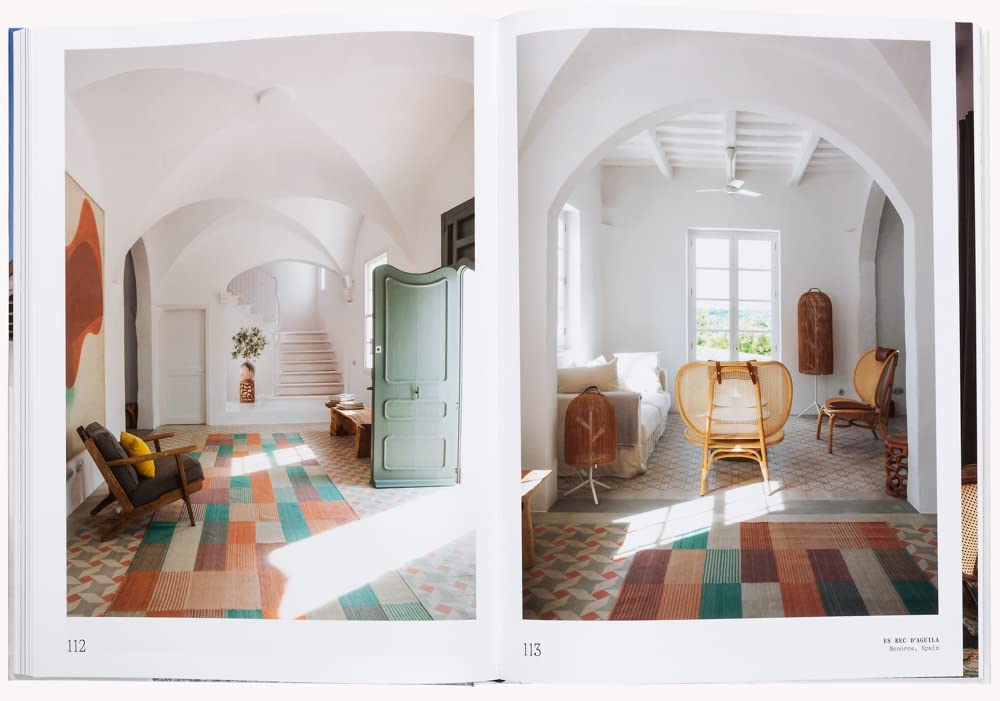
10 Elements of Mediterranean Lifestyle Interior Design and Decor


Creating a mood board for a Mediterranean Vibe?

Mediterranean lifestyle interior design and decor typically include the following elements:


  1. Natural Materials: Heavy use of natural materials like wood, stone (especially marble), and terracotta for flooring and accents.

  2. Color Palette: Warm, earthy tones dominate, including shades of terracotta, ochre, deep blues, and greens inspired by the sea and landscapes.

  3. Textures: Incorporation of textured elements such as rough plaster walls, rustic wooden beams, and handmade tiles.

  4. Furniture: Heavy, sturdy furniture pieces often made of dark wood, wrought iron, or rattan, featuring ornate detailing and carvings.

  5. Fabrics: Linen, cotton, and other natural fibers in rich, vibrant colors or patterns like stripes or florals for upholstery and curtains.

  6. Lighting: Soft, ambient lighting using wrought iron or brass fixtures with intricate designs, complemented by candles or lanterns for a cozy atmosphere.

  7. Accents and Decor: Mediterranean ceramics, pottery, and mosaic tiles; decorative elements like large urns, woven baskets, and vibrant rugs or tapestries.

  8. Plants: Lush greenery such as olive trees, palms, and aromatic herbs like lavender or rosemary, bringing a touch of nature indoors.

  9. Open Spaces: Emphasis on open floor plans and large windows or doors to blend indoor and outdoor living spaces, maximizing natural light and airflow.

  10. Art and Accessories: Artwork depicting coastal scenes, Mediterranean landscapes, or abstract pieces inspired by nature; decorative accessories like mirrors with intricate frames, antique clocks, or wall-mounted ceramics.


These elements collectively create a relaxed, inviting ambiance that reflects the laid-back Mediterranean lifestyle.


COPYRIGHT 2007-2025 Patti Friday b.1959.

Friday, January 10, 2025

Cake Elevates Fridgescaping


Friday is a lot like finding a decadent chocolate cake in the fridge at 2 a.m.—unexpected, indulgent, and exactly what you need. It’s a sweet reward after the grind, a moment of pure satisfaction, and a reminder that sometimes the best things come when you least expect them. More cake here.


Fridgescaping Pins Here.

(Fridgescaping is the art of organizing and styling your refrigerator to make it visually appealing, functional, and easy to navigate. It involves arranging items by categories, using clear containers, labels, and baskets, and ensuring frequently used items are easily accessible. A well-fridgescaped fridge often looks tidy, Pinterest-worthy, and maximizes food storage efficiency.) See more styled fridges here.


COPYRIGHT 2007-2025 Patti Friday b.1959.

Thursday, January 2, 2025

Soft Life and Slow-Living Photographic Art for Interiors


Photographic art can beautifully complement a slow-living home by evoking serenity, simplicity, and mindfulness. Here’s how to choose photographic art that aligns with your soft life / slow-living aesthetic:

1. Nature-Inspired Photography

Why: Connecting with nature promotes calmness and mindfulness.

  • Options:
    • Minimalist landscapes (e.g., foggy forests, open fields, serene waters).
    • Close-up details of natural textures (e.g., tree bark, leaves, or ripples in water).
    • Seasonal transitions captured in subtle ways, like frost-covered branches or blooming flowers.

2. Black and White Photography

Why: The simplicity of monochromatic art enhances focus and reduces visual noise.

  • Options:
    • High-contrast images of nature or architecture.
    • Abstract plays of light and shadow, highlighting texture or form.
    • Timeless portraits or candid human moments.

3. Minimalist and Abstract Photography

Why: Clean compositions evoke clarity and balance.

  • Options:
    • Symmetrical or geometric patterns found in nature or urban settings.
    • Abstract images that explore light, color gradients, or motion blur.
    • Negative space compositions with a single focal point.

4. Soft and Muted Color Palettes

Why: Gentle hues align with the soothing tones of slow-living interiors.

  • Options:
    • Photographs with earthy tones, such as beige sands, sage greenery, or soft blues.
    • Coastal or countryside scenes with pastel skies or muted waters.
    • Sunrise or sunset photography with diffused, warm light.

5. Everyday Life and Stillness

Why: Slow living celebrates the beauty of simple moments.

  • Options:
    • Images of quiet, solitary moments (e.g., a person sipping tea by the window).
    • Still-life photography of handcrafted objects or natural materials.
    • Scenes of slow-paced activities, such as reading, gardening, or strolling.

6. Local and Regional Photography

Why: Celebrating your surroundings or heritage creates a meaningful connection.

  • Options:
    • Iconic but understated images of your town or region.
    • Lesser-known local spots that evoke a sense of discovery.
    • Seasonal photographs of landscapes unique to your area.

7. Vintage-Inspired or Film Photography

Why: Analog techniques provide warmth and timelessness.

  • Options:
    • Sepia-toned or film grain images.
    • Vintage-inspired urban or rural scenes.
    • Hand-colored photographs for a nostalgic touch.

8. Artful Portraits

Why: Thoughtful portraits can convey deep emotion and connection.

  • Options:
    • Subtle, candid portraits of people engaging in quiet, meaningful activities.
    • Silhouettes or profiles with soft backlighting.
    • Portraits of animals, especially those in their natural environments.


Presentation Tips:

  • Framing: Opt for natural materials like wood or metal in neutral tones to complement your slow-living theme.
  • Grouping: Consider a photo series or gallery wall with cohesive tones or themes.
  • Placement: Showcase photography in calm spaces like the bedroom, dining area, or hallway, where the imagery can resonate quietly.

EXAMPLES here


COPYRIGHT 2007-2025 Patti Friday b.1959.